
Playing comfort
A guitar that feels easy to play helps you progress faster. The neck should not feel too thick, fret access should feel natural and the instrument should make you want to practise regularly.
Buying guide
Choosing your first electric guitar can feel complicated: body shape, pickups, comfort, amp, accessories, budget… This guide explains the key criteria so you can choose a guitar suited to your level, musical style and way of playing.
For a beginner, the best electric guitar is not necessarily the most expensive one. It is the guitar that makes you want to play regularly, feels comfortable in your hands and lets you explore several styles without becoming limiting too quickly.
Before choosing a model, focus on three essential points: body shape, pickup configuration and playing comfort. You should then consider the amp and the essential accessories needed to start in good conditions.
For a successful first purchase, choose a reliable, comfortable and versatile guitar, together with a home-friendly amp and a few essentials: cable, tuner, picks and possibly a strap.
A guitar that feels easy to play helps you progress faster. The neck should not feel too thick, fret access should feel natural and the instrument should make you want to practise regularly.
For a beginner, a guitar that can cover several styles is often more useful than a highly specialised model. An HSS configuration, for example, lets you move from clean tones to more rock-oriented sounds.
Good tuning stability, a reliable bridge and decent tuners help avoid frustration. A beginner should be able to focus on playing rather than technical problems.
An electric guitar needs an amp. For home use, choose an amp with controllable volume, a headphone output, built-in effects or amp modelling.
Not all electric guitars serve the same purpose. Some are highly versatile, while others are more focused on rock, blues, metal or modern tones. Here are the main differences to understand before buying.
| Guitar type | Character | Suitable styles | Good for beginners? |
|---|---|---|---|
| Modern Strat-style | Versatile, comfortable, clean and rock tones | Pop, rock, blues, funk, general playing and learning | Excellent choice for beginners |
| Single-cut / Les Paul-style | Thicker, warmer and more powerful sound | Rock, hard rock, blues, riffs and solos | A very good choice if you like rock tones |
| Modern double-cut | More advanced, better upper-fret access, sustain and comfort | Rock, fusion, modern blues, studio and live use | A strong choice if your budget allows you to aim higher |
Here are three useful guitar profiles for beginners, depending on your musical style, budget and expectations.
 Most versatile
An excellent choice for serious beginners. Its HSS configuration delivers clean, crunch and rock tones while remaining comfortable to play.
 For rock
A warmer and more powerful guitar, ideal if you enjoy riffs, rock tones, overdrive and single-cut guitars.
 For long-term progression
A more refined guitar for a motivated beginner or a player who wants a more serious, stable and inspiring instrument from the start.
To start electric guitar in good conditions, you need to budget for the guitar, the amp and a few essential accessories. The right budget mainly depends on your expectations, motivation and intended use: home practice, lessons, rehearsals or home studio.
| Profile | What to include | Our advice |
|---|---|---|
| Basic budget | A comfortable guitar, a home amp, a cable, a tuner and a few picks. | Ideal for discovering the instrument without spending too much at first. |
| Comfortable budget | A more versatile guitar, an amp with headphones/effects, a strap, a stand and a gig bag. | The best balance for serious progression. |
| Long-term budget | A higher-quality guitar, an amp you can keep for years and reliable accessories. | Recommended if you are motivated and want to avoid upgrading too soon. |
The guitar should not use up your entire budget. A good first setup should also include a suitable amp, a reliable cable, a tuner and a few accessories so you can start playing immediately.
An electric guitar only reaches its full potential with a suitable amp. For a beginner, the goal is not necessarily high power, but a good sound at low volume, preferably with a headphone output and simple controls.
 Home & headphones
A modern and practical amp for beginners at home. It offers amp modelling, built-in effects, a headphone output, Bluetooth, USB-C and a rechargeable battery.
 Valve tone
A more traditional valve amp, ideal for players who want a truly organic, dynamic and warm tone while retaining a low-power mode.
For a simple first setup, the Mooer SD30i is the most practical choice. If you already want genuine valve tone and an amp you can keep for years, the Laney Cub-Super12 is the more long-term option.
Many beginners only think about the guitar, but a few accessories are also essential. Without an instrument cable and a tuner, you cannot get started properly.

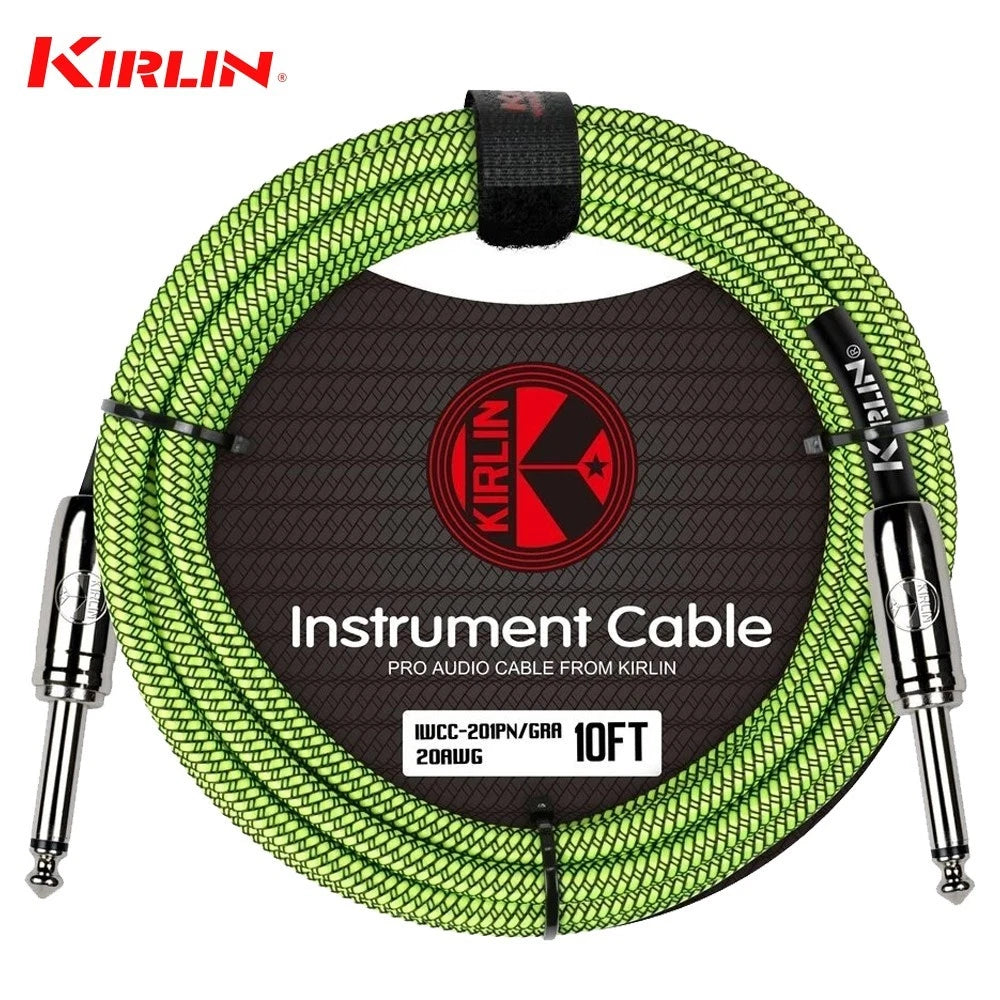
An instrument cable connects the guitar to the amp. For beginners, a 3-metre cable is usually long enough for comfortable home use.

A clip-on tuner is essential. It lets you tune quickly before every session without needing a mobile app.
View the FT22 tunerThe right choice mainly depends on your musical style, budget and motivation to progress.
Choose a versatile guitar such as the Cort G250 SE. Its HSS configuration lets you explore clean tones, blues, pop, rock and moderate gain.
View the Cort G250 SEThe Cort CR100 is better suited to players who enjoy thick tones, riffs, overdrive and single-cut guitars.
View the Cort CR100The Cort M600 is more advanced. It suits a highly motivated beginner or a player who wants a more stable, higher-quality and longer-lasting instrument.
View the Cort M600For home use, the Mooer SD30i is very practical thanks to its effects, amp modelling, headphone output and rechargeable battery.
View the Mooer SD30iIt is not essential, but it is worthwhile if you want a more organic tone from the start and an amp you can keep for years. The Laney Cub-Super12 is the more long-term option.
View the Laney Cub-Super12If you are a complete beginner, the most important thing is to choose a guitar you like visually, that feels comfortable and does not lock you into a single musical style. A guitar that is too difficult to play or too specialised can reduce motivation.
For most beginners, a versatile guitar such as the Cort G250 SE paired with a modern amp like the Mooer SD30i makes a very coherent setup. If you prefer thicker rock tones, the Cort CR100 will be more suitable. If you want to invest in a more serious guitar from the start, the Cort M600 is an excellent long-term option.
Explore our selection of guitars, amps and accessories for starting electric guitar.
Guides & advice
 Comparison chart
The EFNOTE 3 Style A, Style B, and 3X share a common sound and technological foundation, but their cymbal configurations, size, and playing capabilities are not exactly suited to the same needs.
Read the guide Tip →
Tip →
Choosing a guitar amp for playing at home isn’t just about looking at the wattage.
Read the guide Guide →
Compare Dreadnought, Auditorium, and Jumbo models from under €300 to €900.
Read the guide Guide →
Our recommendations under €300, from €300 to €800, and from €800 to €1,200.
Read the guide Comparison →
Strat, Telecaster, single-cut, double-cut, modern… Electric guitar shapes are not just a matter of aesthetics. They affect comfort, tone, attack, sustain, and the musical styles for which the instrument will feel most natural.
Read the guide